
Understanding the psychological triggers that drive gambling behavior
The Thrill of Uncertainty
The excitement of not knowing the outcome is a significant psychological trigger behind gambling. This thrill is often referred to as “anticipation,” and it can lead to heightened emotional arousal. Gamblers experience a rush when they place bets, leading to an adrenaline spike. This sensation creates a cycle where players seek to replicate that high, often ignoring the potential for loss. Many players turn to casino sites not on gamstop to enjoy their favorite games without restrictions.

The Role of Cognitive Biases
Cognitive biases play a crucial role in gambling behavior. One prevalent bias is the illusion of control, where individuals believe they can influence random outcomes. Gamblers may convince themselves that their strategies or rituals can sway the results in their favor. This belief can lead to overconfidence and increased betting, further embedding them in the gambling cycle.
The Impact of Social Influences
Social dynamics significantly affect gambling behavior. Many individuals are introduced to gambling through peers or family, normalizing the activity. Social settings, such as casinos or sports betting events, create an environment where gambling becomes a shared experience, reinforcing its appeal. The desire for social acceptance can drive individuals to participate, often leading to excessive gambling.
The Influence of Marketing and Environment
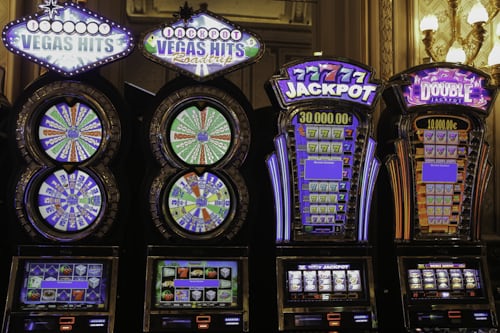
The gambling industry employs various marketing strategies that exploit psychological triggers. Advertisements often highlight massive jackpots and success stories, creating an aspirational image that lures potential gamblers. Such marketing strategies can skew perceptions, making gambling appear as an accessible way to achieve wealth.
Conclusion and Website Overview
Understanding the psychological triggers behind gambling behavior is essential for recognizing the complexities of addiction and its impacts on individuals and society. By grasping the thrill of uncertainty, cognitive biases, social influences, and marketing strategies, we can better address the challenges associated with gambling.
“`
Recent Comments